Common Backyard Kitchen Plumbing Mistakes: Definitive Guide
Integrating running water, sink basins, and drainage pathways into an open-air residential environment introduces complex hydraulic challenges that diverge sharply from indoor residential plumbing. While interior plumbing benefits from conditioned thermal envelopes, rigid wall framing, and immediate municipal sewer connections, exterior systems operate in an unyielding physical theater. Freezing winter temperatures, shifting sub-grades, root intrusion, and exposure to grease and silt test the limits of every joint, pipe, and valve. When property owners approach exterior fluid engineering with casual assumptions, catastrophic failures emerge rapidly beneath the hardscape.
Avoiding structural water damage and unsanitary drainage backups requires an analytical approach to pipe sizing, slope calculations, and winterization mechanics. Every dimensional miscalculation—from an inadequate drainage fall to an unprotected supply line crossing a frost line—introduces cumulative physical friction. Over time, these oversight vectors compound into severe operational bottlenecks, ruptured lines, and code violations. Comprehensive architectural planning demands looking past the visual appeal of a stainless steel sink basin to examine the hidden engineering mechanics governing fluid dynamics.
Addressing these vulnerabilities requires a shift away from superficial installation templates toward rigorous site-specific hydraulic analysis. Builders must evaluate local frost depths, greywater discharge regulations, supply pressure drops, and waste-line venting before excavating sub-grades. This guide explores the structural missteps, conceptual frameworks, and field realities that define common backyard kitchen plumbing mistakes, providing a definitive reference for achieving durable, balanced, and operationally sound exterior water systems.
Understanding “common backyard kitchen plumbing mistakes”
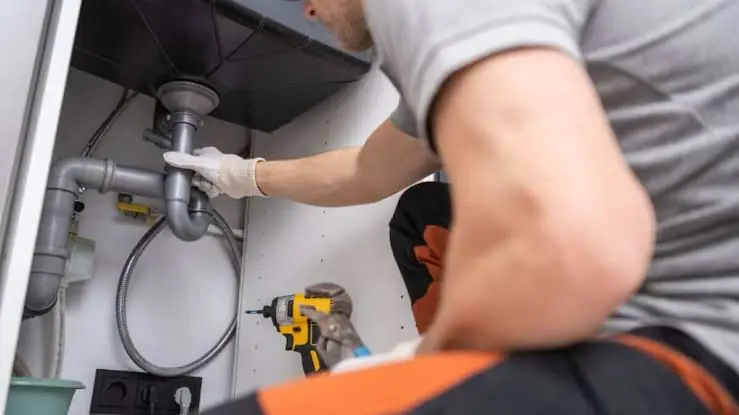
Examining common backyard kitchen plumbing mistakes requires dismantling the pervasive misconception that exterior water lines can be installed with the same shallow burial depths and rigid joint configurations used indoors. Residential indoor plumbing relies on conditioned interior spaces where freezing is impossible and structural settling is minimal. Conversely, exterior installations must contend with seasonal ground expansion, soil contraction, and deep frost penetration. Assuming that a garden hose line or a basic PVC drain pipe laid just beneath the surface satisfies code requirements ignores the physical reality of ground mechanics.
Another primary misunderstanding involves the improper management of grease, food solids, and greywater discharge. Homeowners frequently run exterior sink drains directly into standard landscape French drains or dry wells without intercepting grease first. Over time, organic fats solidify inside the gravel bed, clogging the soil porosity and causing sewage backups across the patio surface. Furthermore, oversimplifying supply line winterization—relying solely on surface shut-off valves without incorporating blow-out drain ports—creates guaranteed pipe ruptures during the first hard freeze.
Oversights also plague waste-line venting and slope geometry. Plumbers and DIY builders often neglect to install proper mechanical air admittance valves or roof vents for exterior sink setups, resulting in slow drainage, trap siphonage, and foul sewer gas odors lingering around the dining patio. Recognizing these systemic vulnerabilities is the first step toward preventing catastrophic structural breakdown and costly excavation repairs.
Deep Contextual Background: The Evolution of Exterior Hydraulic Engineering
The contemporary open-air culinary water system descends from a long lineage of civil infrastructure and agricultural plumbing. Historically, exterior water access was limited to simple frost-proof yard hydrants or temporary garden hoses connected to exterior hose bibbs on the main house wall. These primitive arrangements required no complex waste drainage, as culinary water was carried indoors for washing or discharged haphazardly onto bare soil.
During the late twentieth century, the suburban shift toward integrated outdoor living spaces transformed patios into functional extensions of interior floor plans. Landscape designers began importing indoor kitchen sink configurations directly into backyard islands. Early iterations frequently failed because they ignored local frost lines, lacked grease interceptors, and utilized indoor drainage standards that clogged quickly under heavy outdoor organic loading.
This historical mismatch between indoor theory and exterior reality forced an evolution toward specialized landscape plumbing codes and heavy-duty industrial materials. Modern planning recognizes that exterior fluid networks require decoupled zones, specialized dielectric unions, and engineered cleanout access. Understanding this developmental trajectory clarifies why rigid, unyielding indoor plumbing templates consistently fail when exposed to real-world environmental forces.
Conceptual Frameworks and Mental Models for Open-Air Plumbing
Designing an error-free exterior fluid network requires structured mental models that impose discipline on pipe routing, thermal protection, and waste management.
The Thermal-Depth Frost Model
This framework categorizes subterranean depth into active thermal zones governed by local climate data. It dictates that all pressurized supply lines must be buried below the maximum local frost line or wrapped in continuous self-regulating heat trace cable with heavy insulation to prevent catastrophic freezing and pipe bursting.
The Hydraulic Fall and Vent Equilibrium
This model governs waste-line fluid movement, enforcing strict slope ratios (typically one-quarter inch per foot for drainage pipes) to ensure solid waste and grease particles are carried smoothly without leaving residue. It balances water velocity against proper air venting to prevent trap siphonage and noxious gas emission.
The Grease-Silt Interception Matrix
This model addresses the high concentration of food fats, oils, and particulate debris generated in outdoor food preparation. It mandates the placement of accessible, heavy-duty grease traps upstream of any dry well or municipal sewer tie-in to prevent chronic sub-grade clogging.
Key Categories and Structural Variations: Trade-Offs and Comparisons
Selecting the overarching plumbing configuration dictates how waste flows, how supply lines are protected, and how safely the system can be winterized. The primary installation variations present distinct operational compromises.
-
Direct-Tie Municipal Sewer Integration: Routing exterior sink waste directly into the home’s main sanitary sewer stack. It provides maintenance-free waste disposal, but requires deep trenching and strict backflow prevention compliance.
-
Standalone Dry-Well Drainage System: Discharging greywater into a gravel-filled sub-surface pit. It avoids long trenching runs to the house, but risks soil saturation, odor emission, and grease clogging over time.
-
Above-Ground Removable Catch Basin: Utilizing a portable bucket or flexible hose collection system beneath the sink. It eliminates excavation entirely, but requires manual emptying and presents aesthetic limitations.
-
PEX Supply with Blow-Out Manifold: Running flexible cross-linked polyethylene lines equipped with compressed air drain ports. It offers superior freeze resistance, but requires meticulous seasonal blow-out maintenance.
-
Rigid Copper Supply with Heat Trace: Utilizing soldered copper piping wrapped in electrical heating tape and heavy foam insulation. It delivers high durability, but demands complex installation labor and continuous electrical power.
-
Gravity-Fed Rainwater Harvesting Integration: Capturing roof runoff to supply outdoor sink basins through gravity pressure. It provides sustainable utility independence, but offers inconsistent water pressure and variable water purity.
-
Dedicated Grease Trap Interceptor: Installing an inline physical trap beneath or adjacent to the sink. It protects downstream lines from fat accumulation, but requires regular manual cleaning of accumulated solids.
-
Dual-Check Backflow Preventer Assembly: Protecting the municipal potable water supply from cross-contamination with non-potable outdoor water sources. It ensures strict public health compliance, but creates a slight pressure drop across the supply system.
Plumbing Configuration Comparison
| Configuration Type | Installation Complexity | Maintenance Burden | Freeze Vulnerability | Regulatory Compliance |
| Municipal Sewer Tie-In | High (Deep trenching) | Low | Moderate (If buried shallow) | Strict (Permit required) |
| Standalone Dry Well | Moderate | High (Grease management) | Low (Deep pit) | Variable (Local code limits) |
| PEX with Blow-Out Ports | Moderate | Seasonal (Winterization) | Low (When drained) | Standard |
| Gravity Rainwater System | High | High (Filtration upkeep) | High | Restricted (Non-potable only) |
Realistic Decision Logic
When evaluating these options against site constraints, the primary decision pivot is municipal code jurisdiction versus winter climate severity. If an installation is located in a northern climate subject to deep winter freezes and strict environmental codes, attempting to use a standalone dry well for greywater disposal will violate health regulations, and shallow supply lines will rupture. Under these conditions, a deep municipal sewer tie-in combined with a blow-out PEX supply manifold is mandatory. Conversely, in mild southern climates with permissive rural codes, a dedicated dry well paired with an accessible grease trap offers a practical, cost-effective drainage solution.
Detailed Real-World Scenarios and Field Constraints
Translating fluid engineering theory into physical site execution requires analyzing specific structural roadblocks and environmental constraints.
A : The Shallow-Burial Frost Rupture
A homeowner installs a pressurized copper supply line to an outdoor island, burying it six inches deep beneath a paver patio in a region with a thirty-six-inch frost line.
-
Constraint: During the first severe winter freeze, expanding soil ice crystals crush and split the shallow copper pipe, flooding the sub-base beneath the pavers.
-
Decision Point: The builder excavates the entire patio run, deepens the trench below the frost line, and replaces the rigid copper with flexible PEX tubing housed inside a protective sleeve.
-
Failure Mode: Ignoring local frost depth guidelines guarantees annual pipe failures and expensive hardscape demolition.
-
Second-Order Effect: Deep trenching disrupts mature landscaping and requires re-compacting the paver base to prevent future surface settling.
B : The Unfiltered Grease Clog
An outdoor kitchen sink is routed directly into a dry well without an inline grease trap, used heavily for washing barbecue pans and marinades.
-
Constraint: Warm grease flows into the underground gravel dry well, cools, solidifies, and coats the soil pores, causing complete drainage failure within four months.
-
Decision Point: The property owner hires a hydro-jetting service to clear the lines, excavates the sink drain tailpiece, and installs an accessible commercial-grade grease interceptor.
-
Failure Mode: Relying on chemical degreasers temporarily breaks up fat but pushes it further downstream into the soil bed where it resolidifies permanently.
-
Second-Order Effect: Adding a surface grease interceptor requires modifying cabinet dimensions and providing physical access clearance for routine basket cleaning.
C : The Missing Vent Trap Siphonage
A DIY builder installs an outdoor sink with a P-trap but omits an air admittance valve or roof vent on the vertical drain line.
-
Constraint: When the sink basin is drained rapidly, the plunging water creates a vacuum that siphons all the water out of the P-trap, allowing noxious sewer gases to vent directly into the seating area.
-
Decision Point: The builder cuts into the drain line beneath the sink and installs a mechanical air admittance valve above the flood level rim.
-
Failure Mode: Leaving the drain unvented creates chronic slow drainage and unpleasant odors during outdoor dining gatherings.
-
Second-Order Effect: Air admittance valves must remain accessible for future inspection and replacement per plumbing code requirements, influencing cabinet design.
D : The Cross-Contamination Potable Hazard
An outdoor sink supply line is cross-connected directly to a non-potable agricultural well water source without a backflow preventer.
-
Constraint: A drop in municipal pressure creates a siphon effect, drawing untreated well water and contaminants back into the home’s primary drinking water grid.
-
Decision Point: The installation crew shuts off the system, installs a certified reduced-pressure principle backflow assembly, and conducts water purity testing.
-
Failure Mode: Omitting backflow prevention on complex outdoor water loops violates health codes and risks dangerous biological contamination of household water.
-
Second-Order Effect: Certified backflow preventers require annual testing by a licensed inspector, adding a minor recurring compliance expense.
Planning, Cost Structures, and Resource Dynamics
Financial efficiency in exterior plumbing design is deeply intertwined with regulatory compliance and excavation labor. Correcting layout errors after concrete slabs are poured and trenches are backfilled often costs significantly more than initial professional installation.
-
Direct Capital Outlays: PEX tubing, PVC DWV (Drain, Waste, Vent) piping, grease interceptors, fixtures, and municipal plumbing permits.
-
Indirect and Overhead Costs: Trenching equipment rentals, professional backflow testing fees, licensed master plumber consultation charges, and material delivery expenses.
-
Opportunity Costs: The loss of outdoor living utility and the aesthetic damage caused by emergency yard excavations required to repair burst lines or clogged drains.
-
Geographic Variability: Regional frost-line depths dictate excavation labor hours, while municipal greywater disposal regulations determine whether expensive sewer tie-ins are mandatory.
Financial Allocation and Range Dynamics
| Plumbing Complexity Tier | Typical Footprint / Scope | Primary Technical Requirements | Architectural Risk Level | Error Remediation Cost |
| Basic Portable Catch Basin | Single cart / No trenching | Manual bucket drain; hose supply | Low | Minimal ($100 – $300) |
| Standard Dry-Well System | 100 – 150 sq. ft. island | Dry-well pit; grease trap; shallow PEX | Moderate | Moderate ($1,500 – $4,000) |
| Full Municipal Tie-In | 200+ sq. ft. complex | Deep trenching; venting; backflow preventer | High | Severe ($5,000 – $15,000+) |
Tools, Construction Strategies, and Support Systems
Execution efficiency in outdoor plumbing relies on deploying specialized trenching tools, pressure testing equipment, and strict assembly verification protocols.
-
Mini-Excavators and Trenchers: Essential mechanical tools used to dig below regional frost lines quickly with minimal landscape disruption.
-
PEX Expansion and Crimp Tools: Precision hand tools required to secure secure, leak-free connections on cross-linked polyethylene supply lines.
-
PVC Primer and Solvent Cement: Chemical bonding agents used to fuse DWV piping systems into permanent, watertight drainage networks.
-
Hydrostatic Pressure Test Pumps: Pressurizes newly installed supply lines with water or air to verify that all soldered, crimped, or threaded joints hold without pressure drop.
-
Laser Line Levels: Ensures that underground drainage trenches and above-ground horizontal waste pipes maintain the precise one-quarter-inch per foot slope required for proper flow.
-
Mechanical Pipe Locators: Detects the path and depth of buried supply lines before hardscape excavation begins, preventing accidental utility strikes.
-
Air Compressor Winterization Adapters: Quick-connect fittings that attach to supply manifolds, allowing compressed air to completely purge water from lines before freezing temperatures arrive.
Risk Landscape, Failure Modes, and Compounding Hazards
Ignoring hydraulic physics and plumbing code standards introduces cascading operational risks that compromise safety, property integrity, and sanitation.
Sub-Grade Soil Saturation and Foundation Erosion
Discharging greywater from a high-volume outdoor sink directly against a patio base or house foundation without proper drainage dispersion softens the sub-grade soil. This saturation causes concrete slabs to settle unevenly, paving stones to tilt, and structural masonry walls to crack.
Contamination of Potable Water Grids
Failing to install certified backflow preventers on outdoor water supply lines running to utility sinks or garden sprayers creates the risk of back-siphonage, drawing contaminated garden or greywater into the clean drinking water supply of the home.
Grease-Fueled Vermin and Rodent Infestation
Failing to capture and properly dispose of organic food solids and grease via an interceptor allows waste to coat the interior walls of drainage pipes or pool in dry wells. This decomposing organic matter attracts rodents, insects, and microbial pathogens directly beneath the outdoor kitchen structure.
Explosive Pipe Ruptures During Deep Freezes
Neglecting to incorporate drain valves, blow-out ports, or heat trace systems on pressurized supply lines traps water inside rigid pipe walls. When temperatures drop below freezing, ice expansion generates thousands of pounds of pressure per square inch, shattering pipes and flooding cabinets when thawed.
Governance, Maintenance, and Long-Term Adaptation
Preserving the operational integrity of an outdoor kitchen plumbing network requires systematic monitoring, seasonal winterization protocols, and proactive mechanical servicing.
Seasonal Maintenance Protocols
-
Autumn Compressed Air Blowout: Purging all pressurized water lines using an air compressor before the first freeze event to eliminate ice-burst risks.
-
Grease Interceptor Cleaning: Emptying and sanitizing internal grease trap baskets monthly to maintain clear wastewater flow paths.
-
P-Trap Debris Clearing: Unscrewing and cleaning sink P-traps semi-annually to remove accumulated sediment, hair, and food particles.
Review Cycles and Adjustment Triggers
Establishing bi-annual inspection windows allows property owners to check for slow drainage, water pressure drops, and minor leaks beneath the sink cabinet. If water begins draining slowly, immediate hydro-jetting or line snaking prevents complete grease blockages from forming.
Layered Plumbing Maintenance Checklist
-
Inspect supply line connections and shut-off valves for early corrosion or mineral weeping.
-
Verify that mechanical air admittance valves operate smoothly without sticking.
-
Test backflow prevention assemblies annually with a certified technician.
-
Check dry-well absorption rates during heavy rainstorms to ensure soil drainage capacity remains intact.
Measurement, Tracking, and Evaluation Metrics
Evaluating the success of an exterior plumbing installation requires tracking both quantitative fluid performance and qualitative sanitation markers over extended seasonal cycles.
-
Drainage Flow Rate (GPM): Measuring the seconds required to empty a filled sink basin to ensure waste lines remain clear of grease restrictions.
-
Static Supply Pressure (PSI): Monitoring water pressure gauges at the outdoor manifold to detect potential restrictions or mineral scaling in supply lines.
-
Grease Accumulation Volume: Tracking the weight of solid fats captured in the grease interceptor during monthly cleaning cycles.
-
Winterization Execution Time: Recording the total hours required to successfully blow out and shut down the water system prior to winter.
Documentation and Tracking Examples
-
Plumbing Commissioning Log: Recording initial static pressure readings, trench depths, and permit numbers upon installation completion.
-
Winterization Ledger: Documenting the exact dates of autumn blow-out procedures and spring system re-pressurization.
-
Grease Trap Maintenance Record: Tracking monthly cleaning dates and solid waste volume to monitor kitchen grease output.
Common Misconceptions and Oversimplifications
-
Myth: Exterior water supply lines only need to be buried a few inches underground if the climate is generally mild.
-
Correction: Even in moderate climates, unexpected polar vortex events can produce sudden hard freezes that rupture shallow pipes.
-
-
Myth: Outdoor sink drains do not require grease traps because small amounts of food residue wash away easily.
-
Correction: Accumulated cooking fats solidify rapidly inside cold underground pipes and dry wells, causing complete clogs.
-
-
Myth: PEX tubing is entirely immune to freeze damage and never needs to be blown out for winter.
-
Correction: While PEX expands slightly more than copper, stagnant water freezing inside fittings and metal valves will still cause catastrophic ruptures.
-
-
Myth: Outdoor sink drain lines do not require venting as long as they discharge directly into an open dry well.
-
Correction: Without proper venting, slow drainage and trap siphonage will occur, allowing foul sewer gases to escape.
-
-
Myth: Connecting an outdoor sink to a garden hose for water supply eliminates the need for backflow prevention.
-
Correction: Temporary or permanent hose connections still pose cross-contamination risks to potable water grids, requiring backflow safeguards.
-
-
Myth: Pouring boiling water down an outdoor drain permanently dissolves accumulated grease clogs.
-
Correction: Boiling water only melts grease temporarily, pushing it further down the pipe where it resolidifies in colder soil.
-
Ethical, Practical, and Contextual Considerations
Designing and operating exterior plumbing networks carries significant civic and environmental responsibilities regarding greywater management and public health. Discharging untreated kitchen greywater containing food oils, chemical soaps, and biological pathogens directly onto surface soil or storm drains violates environmental protection laws and contaminates local waterways. Furthermore, ensuring that municipal connection permits are properly filed and inspected protects community water grids from dangerous cross-contamination and illegal sewer tie-ins. Respecting municipal plumbing codes and utility easement boundaries guarantees long-term legal compliance and neighborly harmony.
Conclusion
Mastering common backyard kitchen plumbing mistakes demands an uncompromising commitment to rigorous hydraulic engineering, deep frost-line protection, and proactive waste management. By rejecting shallow pipe burial shortcuts, integrating proper grease interceptors, and establishing disciplined winterization protocols, property owners achieve safe, sanitary, and enduring exterior water systems. True exterior fluid resilience is not born of casual DIY fixes, but of precise underground planning and profound respect for environmental physics.